Key Takeaways
- Nerve damage and poor blood flow are the primary factors that increase your risk of developing foot sores.
- Inspecting your feet daily and wearing supportive shoes can drastically lower your chances of skin breakdown.
- Catching skin changes early prevents minor irritations from becoming severe infections.
- Michigan Primary Care Partners is an expert provider of specialty disease management and wound care in Michigan, ready to help you protect your health.
What Causes Diabetic Ulcers?
When managing diabetes, you might wonder exactly what causes diabetic ulcers. These wounds rarely stem from a single issue. Instead, they usually develop from a combination of health factors that compromise your skin's integrity and healing ability.
1. Peripheral Neuropathy (Nerve Damage)
High blood sugar levels over long periods can damage the nerves in your feet and legs. This condition, known as peripheral neuropathy, causes a loss of sensation. You might step on a sharp object or wear shoes that rub your skin raw without feeling any pain. Because you do not feel the injury, you might continue walking on it, turning a minor cut into a larger wound.
2. Poor Blood Circulation
Diabetes often causes blood vessels to narrow, restricting blood flow to your lower extremities. Your body needs a steady supply of oxygen-rich blood to heal cuts and scrapes. When circulation is poor, even an early-stage diabetic foot ulcer struggles to close properly, leaving the area vulnerable to infection.
3. Foot Deformities
Nerve damage can weaken the muscles in your feet, leading to changes in the shape of your toes and arches. Conditions like hammertoes or bunions create abnormal pressure points when you walk. This constant friction breaks down the skin over time, paving the way for open sores.
4. Uncontrolled Blood Sugar Levels
Elevated blood glucose levels weaken your immune system. When your white blood cells cannot function optimally, your body has a much harder time fighting off bacteria. This means that a small break in the skin can easily become infected and turn into an ulcer.
5. Improper Footwear
Wearing shoes that are too tight, too loose, or lack proper support is a major risk factor. Poorly fitting shoes cause blisters, calluses, and prolonged pressure on specific areas of your foot. For someone with diabetes, these minor footwear issues are frequent starting points for severe wounds.
6. Previous Foot Complications
If you have experienced a foot ulcer or amputation in the past, your risk of developing a new sore increases significantly. The structural changes in your foot alter the way you walk, placing new stress on different areas of your skin.
Recognizing Diabetic Foot Ulcer Stages
Understanding how these wounds progress is vital for getting the right help at the right time. Medical professionals categorize these wounds to determine the best course of action.
| Stage | Description | Visibility |
|---|---|---|
| Stage 1 | The skin remains intact but appears red and feels warm to the touch. | Surface level, no open wound |
| Stage 2 | The skin breaks open, forming a shallow crater or blister. | Affects the top layers of skin |
| Stage 3 | The wound deepens, extending into the tissue beneath the skin. | Fat tissue may be visible |
| Stage 4 | The ulcer becomes severely deep, exposing deeper structures. | Muscle, tendon, or bone is visible |
Monitoring your feet helps you identify an early stage diabetic foot ulcer before it reaches stage 3 or 4. Prompt action is the most effective way to protect your limbs.
Essential Prevention and Diabetic Wound Care
Preventing foot ulcers requires a proactive daily routine. By integrating a few simple habits into your life, you can significantly reduce your risk.
Inspect Your Feet Daily
Check your feet every evening for cuts, blisters, redness, or swelling. Use a mirror to see the bottoms of your feet if you have trouble reaching them. Finding issues early makes all the difference.
Practice Proper Hygiene
Wash your feet daily with warm—not hot—water and mild soap. Dry them thoroughly, paying special attention to the spaces between your toes. Apply a gentle moisturizer to the tops and bottoms of your feet to prevent cracking, but avoid putting lotion between your toes to prevent fungal growth.
Choose the Right Footwear
Always wear clean, dry socks that wick away moisture. Choose shoes that offer plenty of room for your toes and provide solid arch support. Never walk barefoot, even inside your own home, to avoid accidental injuries.
Professional Diabetic Foot Ulcer Treatment
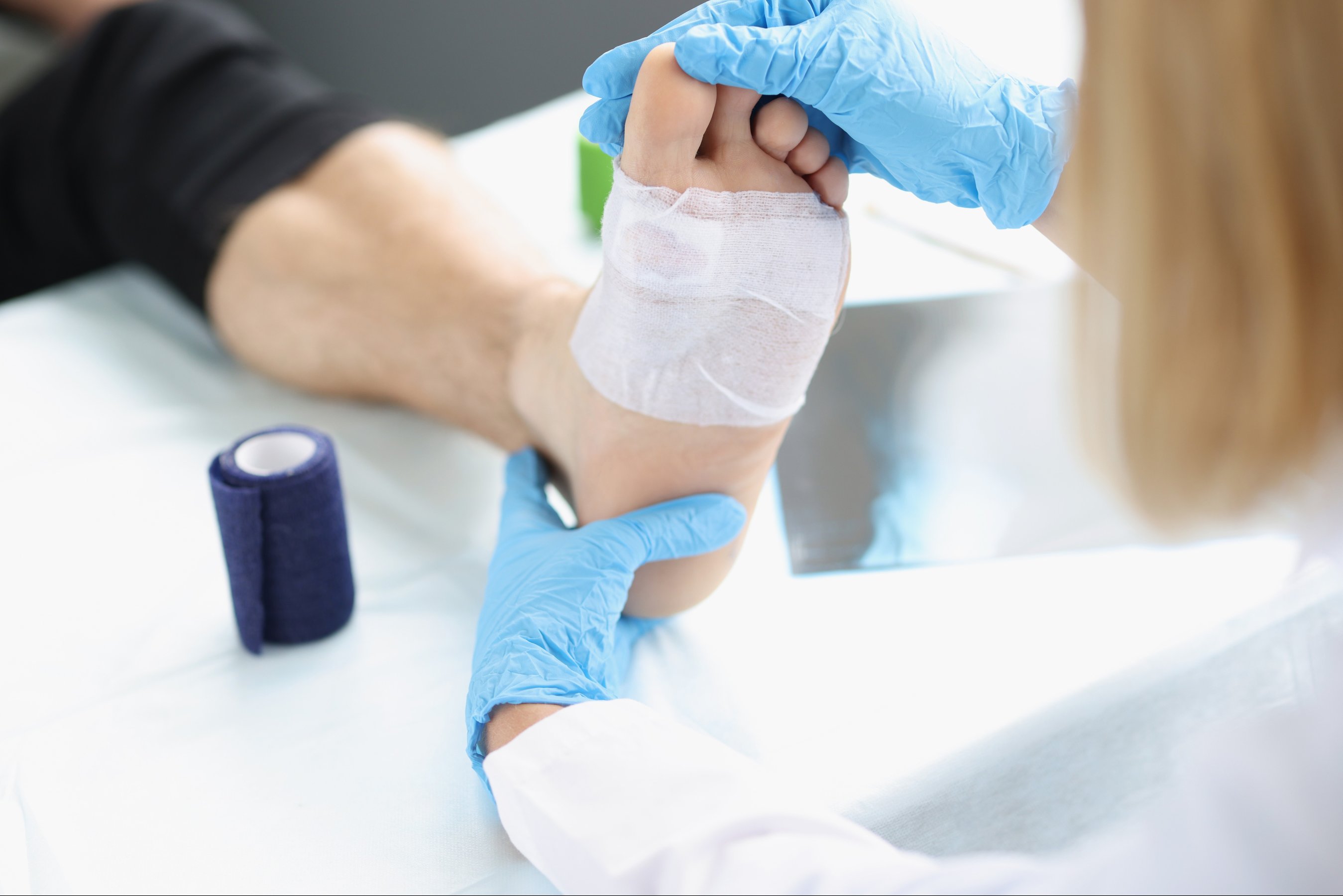
If you notice a sore on your foot, do not wait for it to heal on its own. Proper diabetic foot ulcer treatment requires professional medical attention. Doctors use various methods to clean the wound, remove dead tissue, and apply specialized dressings that promote healing. They may also prescribe antibiotics to clear up any underlying infections and recommend devices to take pressure off the affected foot.
Searching for 'wound care near me' is a great first step when you notice a problem. Local experts can provide the immediate attention required to stop an ulcer from worsening. Effective diabetic wound care also involves managing your overall diabetes. By keeping your blood sugar levels in check through diet, exercise, and medication, you give your body the best chance to heal.
Protect Your Health with Michigan Primary Care Partners
Managing diabetes requires a dedicated team of medical professionals who understand your unique needs. Understanding what causes diabetic ulcers and taking daily preventive steps will keep you moving comfortably. Whether you need routine monitoring, advice on footwear, or immediate treatment for an existing wound, prompt medical support ensures you stay on the path to wellness.
Schedule your consultation with Michigan Primary Care Partners today. Our team provides expert wound care and comprehensive specialty disease management to help you live a healthy, active life.
Frequently Asked Questions
What does an early-stage diabetic foot ulcer look like?
An early-stage ulcer usually looks like a red, irritated patch of skin that may feel warm. You might also notice a blister, a small scrape, or a callous that has fluid underneath it. It is vital to seek care at this stage before the skin breaks open further.
How quickly do diabetic foot ulcer stages progress?
The progression rate varies from person to person. However, if you have poor circulation and high blood sugar, a minor scrape can progress to a deep, dangerous wound in just a few days. Immediate treatment is essential.
Does diabetic foot ulcer treatment always require surgery?
No, not all ulcers require surgery. If caught early, doctors can treat wounds with specialized cleanings, custom dressings, and offloading devices like special boots. Surgery is usually reserved for severe infections or wounds that do not respond to standard care.
How do I find reliable wound care near me?
Look for local medical practices that specialize in diabetes management and dedicated wound treatment. Clinics like Michigan Primary Care Partners offer comprehensive services to treat foot complications and help you manage your underlying condition effectively.