Key Takeaways
- How often you check your blood sugar depends mostly on your type of diabetes and the medicines you take.
- People who use insulin often check several times a day, while some people with type 2 diabetes who don't use insulin may not need to check every day.
- Common testing times include when you wake up, before meals, 2 hours after meals, and at bedtime.
- A reading below 70 mg/dL is considered low and needs action right away.
- Michigan Primary Care Partners helps patients across West Michigan build a blood sugar monitoring plan that fits their life. Request an appointment with Michigan Primary Care Partners to review your testing routine.
The Short Answer: It Depends on Your Treatment Plan
If you're new to diabetes, home blood sugar monitoring can feel like a guessing game. Should you test once a day? Five times? Only when you feel 'off'?
According to the CDC's guide to managing blood sugar, how often you check depends on the type of diabetes you have and whether you take diabetes medicines. In other words, there isn't one schedule that works for everyone.
Below, the care team at Michigan Primary Care Partners (MPCP) answers the questions patients ask most about glucose testing at home.
How Often Do Most People Check? A Quick Comparison
The Mayo Clinic's guide to blood sugar testing outlines how testing needs often differ by treatment plan. Here is a simple overview:
| Treatment Plan | Typical Testing Approach |
|---|---|
| Type 1 diabetes | A continuous glucose monitor (CGM) or fingerstick testing 4 to 10 times a day |
| Type 2 diabetes using insulin | A CGM or testing several times a day |
| Type 2 diabetes using non-insulin medicines | You might not need to test every day |
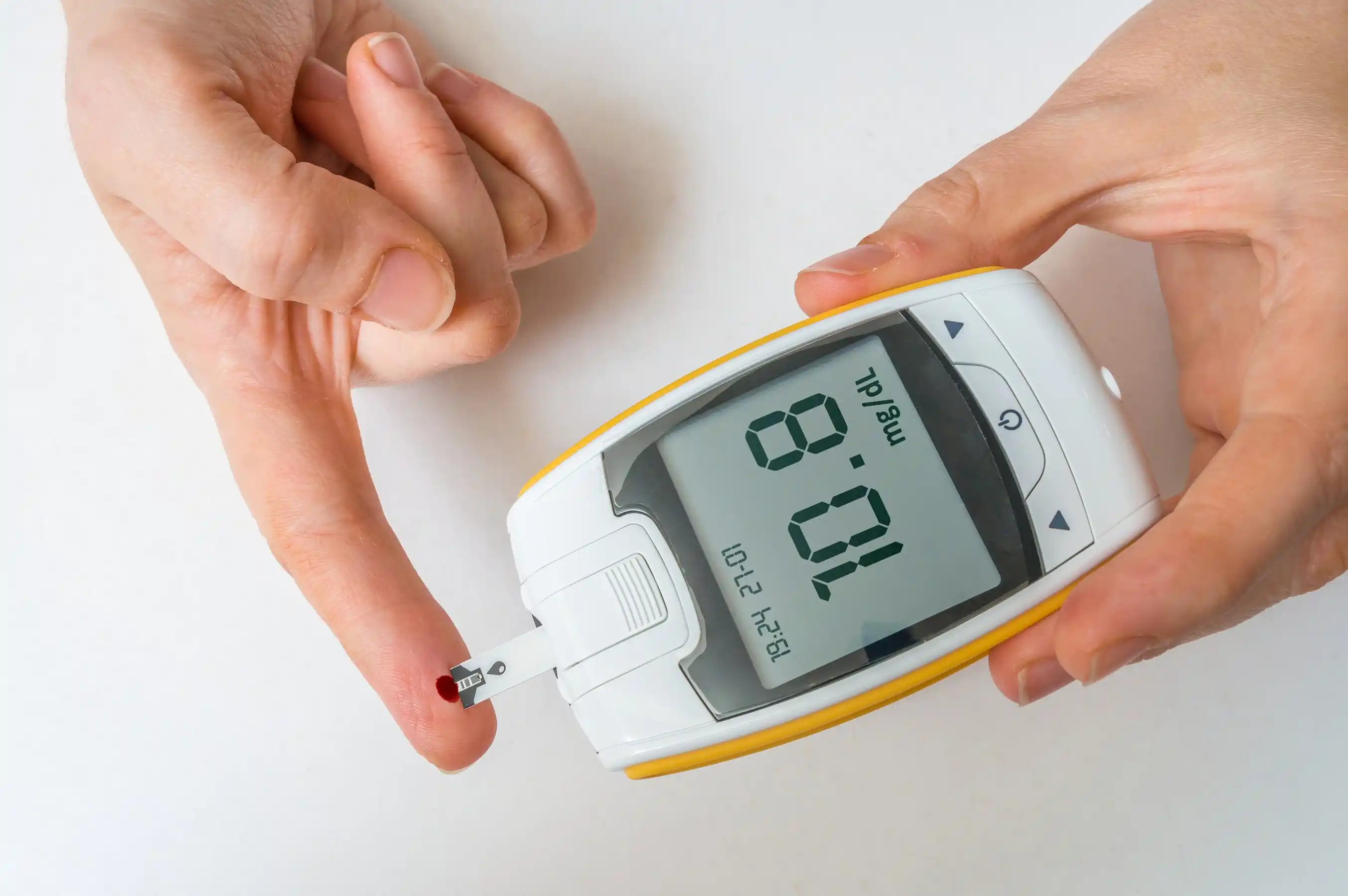
A CGM is a small sensor placed under the skin that measures your blood sugar every few minutes. A blood sugar meter (also called a glucometer) checks a small drop of blood, usually from your fingertip. The CDC notes that people who use a CGM still need daily meter checks to make sure the CGM readings are accurate.
Your provider will tell you which approach is right for you.
When Should I Check My Blood Sugar During the Day?
The CDC lists these as typical times to check:
- When you first wake up, before you eat or drink anything.
- Before a meal.
- Two hours after a meal.
- At bedtime.
Checking at different times helps you see patterns. For example, a high reading 2 hours after dinner may point to a certain food or portion size.
What Numbers Should I Aim For?
A blood sugar target is the range you try to stay in as much as possible. The CDC lists these typical targets, measured in mg/dL (milligrams per deciliter):
- Before a meal: 80 to 130 mg/dL
- Two hours after the start of a meal: less than 180 mg/dL
Your targets may be different based on your age, other health conditions, and other factors. Always follow the goals your care team sets for you.
What Factors Might Mean More Frequent Monitoring?
Your provider may ask you to check more often if you:
- Have type 1 diabetes.
- Have type 2 diabetes and take insulin.
- Often have low blood sugar.
- Are about to be physically active, or just finished.
The CDC also notes that being sick, being stressed, eating more than usual, or not taking enough insulin can raise blood sugar. During these times, you may need to test more often.
How Do Medication and Lifestyle Affect Testing Needs?
Your testing routine is closely tied to your medicines. The Mayo Clinic notes that blood sugar testing helps track how diabetes medicine affects your levels. When your provider starts, stops, or changes a medicine, they may ask you to check more often for a while.
Lifestyle matters too. The CDC recommends habits like eating at regular times, not skipping meals, and tracking your food, drinks, and physical activity. Keeping a log of these next to your readings makes it easier to spot what moves your numbers.
What Should I Do When a Reading Seems Off?
One unusual number doesn't always mean something is wrong. Start by washing your hands and re-testing to rule out a meter error. Then look at the bigger picture.
If Your Blood Sugar Is Low
The CDC's guide to low blood sugar explains that a reading below 70 mg/dL is considered low (hypoglycemia). At this level, you need to take action to bring it back up. Common symptoms include:
- Fast heartbeat.
- Shaking or sweating.
- Nervousness, anxiety, or irritability.
- Dizziness or confusion.
- Hunger.
Below 54 mg/dL is considered severe and may cause fainting. Ask your care team ahead of time how to treat a low so you're ready.
If Your Blood Sugar Is High
If you're sick and your blood sugar is 240 mg/dL or above, the CDC advises using an over-the-counter ketone test kit. Call your doctor if your ketones are high. High ketones can be an early sign of diabetic ketoacidosis (DKA), a medical emergency that needs immediate treatment.
For readings that stay higher than your target over several days, contact your provider. Your plan may need an adjustment.
Why Do Regular Check-Ins With My Care Team Still Matter?
Home testing gives you daily snapshots. Your care team helps you see the whole picture.
At MPCP, Total Care Management offers extra support between visits:
- Remote Patient Monitoring (RPM): Your blood sugar can be tracked from home. The team reviews the data in real time and can step in quickly if changes are needed.
- Care Management: Clinical pharmacists and registered nurses work with your primary care provider on medication management, education, and follow-up.
- Chronic Care Management (CCM): Patients with two or more chronic conditions who are covered by traditional Medicare may qualify for monthly check-ins and care coordination.
You can also bring your meter or CGM data to your visit and pair it with in-office lab testing for a fuller view of your diabetes management.
Find a Diabetes Doctor in Grand Rapids and Across West Michigan Who Helps You Read the Numbers
Checking your blood sugar works best when you know why you're testing and what to do with the results. A plan built around your medicines, routine, and goals takes the guesswork out of each reading.
Request an appointment with Michigan Primary Care Partners to set up a blood sugar monitoring plan through chronic care management at the Big Rapids, Grand Rapids, Canadian Lakes, or Reed City office. You can also call (231) 592-1360.
Frequently Asked Questions
How often should I check my blood sugar with type 2 diabetes?
It depends on your treatment. If you use insulin, you may need to check several times a day or use a CGM. If you take non-insulin medicines, you might not need to check every day. Your provider will set the right schedule for you.
What is a normal blood sugar level before eating?
A typical target before a meal is 80 to 130 mg/dL. Your provider may set a different target based on your age and health.
Is a continuous glucose monitor better than a fingerstick meter?
Each has benefits. A CGM checks your levels every few minutes, while a meter gives a single reading. Many CGM users still need daily meter checks to confirm accuracy. Talk with your provider about which fits your needs.
Can I get blood sugar monitoring support from home?
Yes. MPCP's Remote Patient Monitoring program can track your blood sugar from home, and telehealth visits are available for chronic disease management.
How do I find a diabetes doctor in Grand Rapids?
Michigan Primary Care Partners provides diabetes management at its Grand Rapids office, plus offices in Big Rapids, Canadian Lakes, and Reed City. You can request an appointment online.
