Key Takeaways
Managing high blood pressure comes down to a few consistent habits and regular check-ins with your provider.
- Know your numbers and what they mean, since hypertension often has no obvious symptoms.
- Small, sustainable changes to diet and activity level can meaningfully lower blood pressure over time.
- Limiting sodium and alcohol intake supports healthier blood pressure readings.
- Medication may be part of your plan, and that's not a sign your lifestyle changes aren't working.
- Regular monitoring with your Grand RapidsPCP helps catch changes early and keeps your treatment plan on track. Request an appointment with Michigan Primary Care Partners to build a hypertension management plan that fits your life.
Understanding Hypertension
High blood pressure, also called hypertension, occurs when the force of blood against your artery walls stays consistently too high. According to the CDC, high blood pressure usually develops gradually and often has no warning signs, which is part of why routine checkups matter so much. Left unmanaged, it can damage the heart, brain, kidneys, and eyes over time.
The good news is that hypertension is one of the most manageable chronic conditions when caught early and addressed consistently. Below are five practical tips for keeping your blood pressure in a healthy range.
Blood Pressure Categories at a Glance
Before diving into management tips, it helps to know where your numbers fall. Blood pressure is measured with two numbers: systolic (the top number) and diastolic (the bottom number).
| Category | Systolic (mm Hg) | Diastolic (mm Hg) |
|---|---|---|
| Normal | Less than 120 | and less than 80 |
| Elevated | 120–129 | and less than 80 |
| Stage 1 Hypertension | 130–139 | or 80–89 |
| Stage 2 Hypertension | 140 or higher | or 90 or higher |
Source: American Heart Association
If you're unsure which category your numbers fall into, your PCP can review your readings and explain what they mean for your specific health picture.
5 Tips for Managing Hypertension
1. Track Your Numbers Consistently
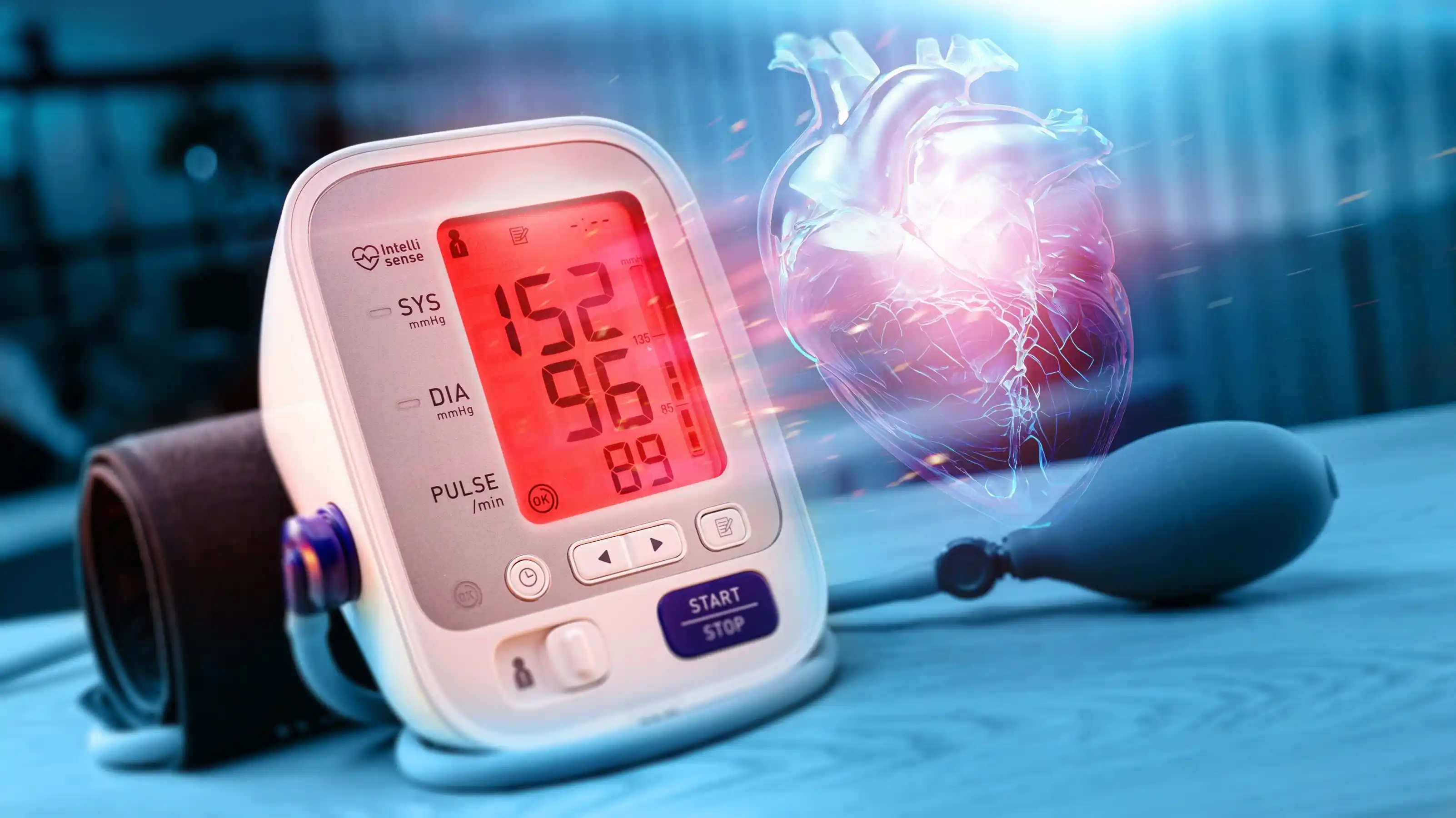
Since hypertension rarely causes noticeable symptoms, the only way to really know where you stand is to check your blood pressure regularly. Home blood pressure monitors are widely available and give you and your provider a clearer picture than a single reading at an annual visit. Bring your log to your appointments so your provider can spot trends over time.
2. Adjust Your Diet Gradually
You don't need to overhaul your entire diet overnight. The CDC recommends focusing on foods rich in potassium, fiber, and protein while cutting back on sodium and saturated fat. Small swaps, like choosing fresh produce over processed snacks or cooking with less added salt, add up over weeks and months.
3. Get Moving, Even in Small Amounts
Regular physical activity helps keep blood vessels flexible and supports a healthy weight, both of which lower blood pressure. Aim for about 30 minutes of moderate activity, like brisk walking, five days a week. If that feels like a lot to start, even short walks broken up throughout the day can help build the habit.
4. Limit Alcohol and Avoid Smoking
Both alcohol and smoking can raise blood pressure and increase strain on the heart over time. Cutting back on alcohol and quitting smoking are two of the most effective changes you can make, and your provider can connect you with resources and support if you're ready to make either change.
5. Stay Consistent With Follow-Up Care
Hypertension management isn't a one-time fix. Whether your plan includes lifestyle changes, medication, or both, regular follow-up appointments allow your provider to adjust your treatment plan as needed and catch any changes before they become bigger problems.
When Lifestyle Changes Aren't Enough?
For some patients, lifestyle changes alone aren't enough to bring blood pressure into a healthy range, and that's completely normal. Many people need medication in addition to healthy habits to keep their numbers where they should be. Your PCP can help determine whether medication makes sense for your situation as part of a broader chronic care management plan, and will monitor how well your treatment is working over time.
Take Control of Your Blood Pressure Today
Hypertension is manageable, but it does require an ongoing partnership with your healthcare provider. Whether you're newly diagnosed or have been managing high blood pressure for years, small consistent steps make a real difference in your long-term health.
The team at Michigan Primary Care Partners in Grand Rapids offers personalized chronic care management for hypertension and other ongoing conditions. Request an appointment today to build a plan that works for you.
Frequently Asked Questions
What blood pressure reading is considered high?
A reading of 130/80 mm Hg or higher is generally considered elevated to hypertensive, depending on how far above that threshold the numbers fall. Your provider can help interpret your specific readings.
Can hypertension be reversed?
In some cases, especially when caught early, lifestyle changes can bring blood pressure back into a normal range. In other cases, hypertension can be well-managed but may require ongoing treatment, including medication.
What are the warning signs of high blood pressure?
High blood pressure often has no symptoms at all, which is why it's sometimes called a 'silent' condition. This is part of why routine blood pressure checks are so important, even if you feel fine.
How often should I have my blood pressure checked?
This depends on your current numbers and risk factors. Patients with normal blood pressure are often checked at routine visits, while those with elevated or high readings may need more frequent monitoring, sometimes including at-home tracking.
Is hypertension near me common in Grand Rapids?
High blood pressure affects a large portion of American adults, and West Michigan is no exception. Regular checkups with a primary care provider are one of the most effective ways to catch and manage it early
