Key Takeaways
- Hypertension (high blood pressure) is when the force of blood against your artery walls is consistently too high.
- Hypotension (low blood pressure) is when that force is consistently too low.
- While both can be serious, hypertension is often called the 'silent killer' because it rarely has symptoms but increases the risk of heart disease and stroke.
- Your primary care provider is essential for diagnosing, treating, and managing both conditions to protect your long-term health.
- Michigan Primary Care Partners offers Comprehensive Disease Management to help you control your blood pressure. Schedule an appointment today and find a location near you.
Understanding Blood Pressure Readings
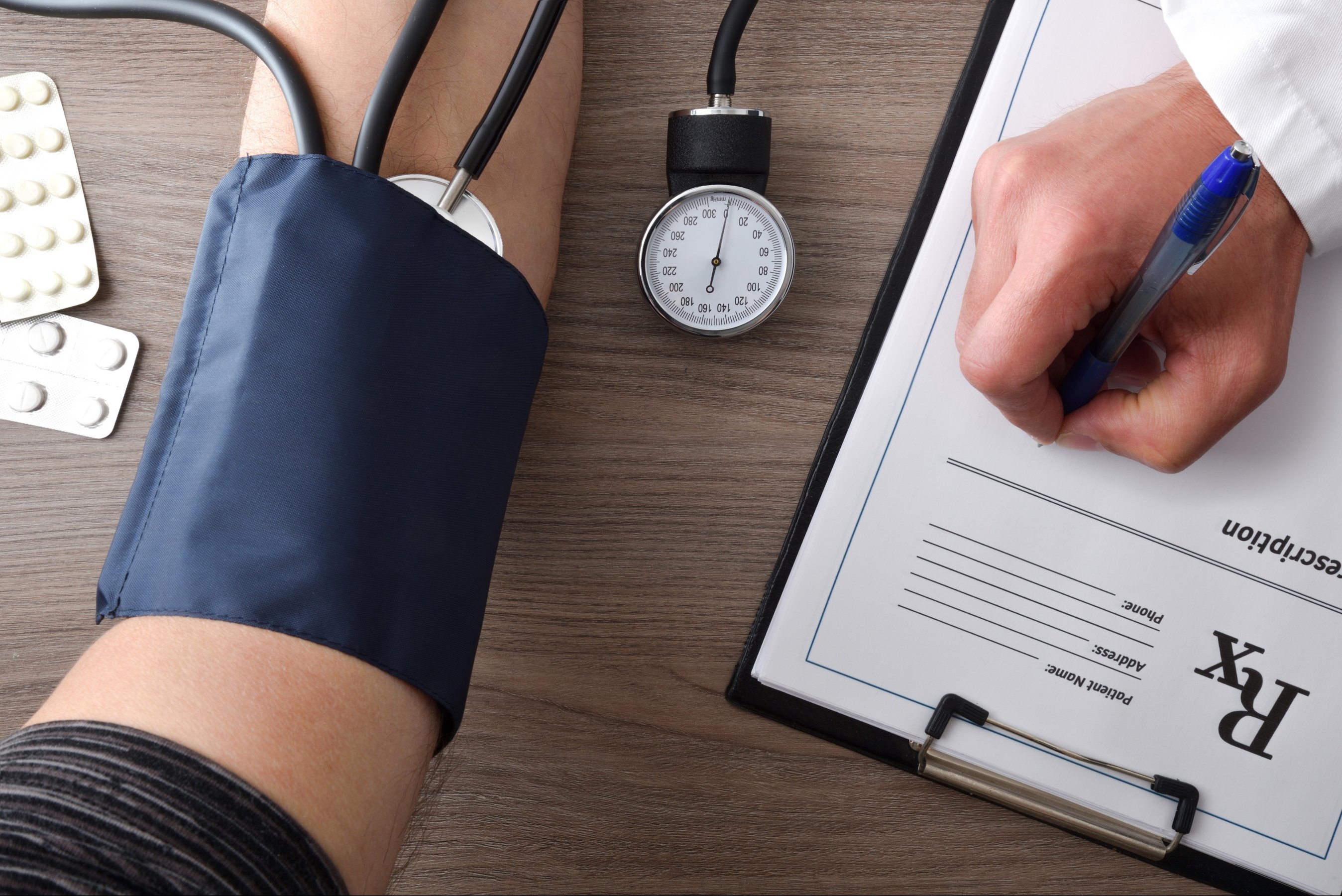
When your doctor wraps a cuff around your arm, they’re measuring two things: systolic and diastolic pressure. This gives them a blood pressure reading, like '120 over 80,' written as 120/80 mm Hg.
- Systolic pressure (the top number): Measures the pressure in your arteries when your heart beats.
- Diastolic pressure (the bottom number): Measures the pressure in your arteries when your heart rests between beats.
A normal blood pressure reading is typically below 120/80 mm Hg. But what happens when your numbers are consistently higher or lower? That’s where hypertension and hypotension come in.
Hypertension vs. Hypotension at a Glance
| Feature | Hypertension (High Blood Pressure) | Hypotension (Low Blood Pressure) |
|---|---|---|
| Definition | Blood pressure is consistently 130/80 mm Hg or higher. | Blood pressure is consistently 90/60 mm Hg or lower. |
| Common Causes | Genetics, age, diet high in salt, lack of physical activity, obesity, stress. | Dehydration, medication side effects, pregnancy, heart problems, severe infection. |
| Symptoms | Often has no symptoms ('silent killer'). In severe cases: headaches, shortness of breath, nosebleeds. | Dizziness, lightheadedness, fainting, blurred vision, fatigue, nausea, confusion. |
| Health Risks | Increased risk of heart attack, stroke, kidney disease, vision loss, heart failure. | Can lead to shock if untreated. Often a symptom of an underlying condition. |
| Treatment | Lifestyle changes (diet, exercise), medication (e.g., diuretics, beta-blockers). | Increasing fluid and salt intake, adjusting medications, treating underlying causes. |
What is Hypertension?
Hypertension, or high blood pressure, means the blood flowing through your arteries is doing so with too much force. According to the research, nearly half of all adults in the U.S. have high blood pressure, and many don't even know it.
This is because hypertension usually has no warning signs or symptoms. Over time, this constant pressure damages your arteries and vital organs, significantly raising your risk for serious health problems like heart attack, stroke, and kidney failure.
Causes and Risk Factors for High Blood Pressure
Several factors can contribute to developing hypertension. Some are out of your control, like family history, age, and ethnicity. Others are related to lifestyle choices, including:
- A diet high in sodium
- Lack of regular exercise
- Obesity or being overweight
- Excessive alcohol consumption
- Chronic stress
At Michigan Primary Care Partners, our providers work with you to identify your specific risk factors and create a personalized plan to manage them effectively.
What is Hypotension?
Hypotension is the medical term for low blood pressure. While it may sound preferable to having high blood pressure, it can also cause problems. For some people, having naturally low blood pressure isn't a concern. For others, a sudden drop in blood pressure or chronically low levels can lead to concerning symptoms and may signal an underlying health issue.
When your blood pressure is too low, your brain and other vital organs may not get enough blood. This can cause dizziness, fainting, fatigue, and blurred vision.
Causes and Risk Factors for Low Blood Pressure
Hypotension can be caused by various factors, ranging from simple dehydration to serious medical conditions. Common causes include:
- Pregnancy
- Certain medications (for high blood pressure, depression, or Parkinson's disease)
- Heart problems, such as a low heart rate or heart failure
- Endocrine issues, like thyroid disorders or Addison's disease
- Severe infection (septicemia) or allergic reaction (anaphylaxis)
Because the causes are so varied, it's crucial to see a doctor to determine why your blood pressure is low and if treatment is needed.
Your PCP Is Your Partner in Blood Pressure Management
Whether you have hypertension, hypotension, or fall somewhere in between, your Primary Care Provider (PCP) is your most important ally. Regular check-ups are the only reliable way to monitor your blood pressure and catch potential issues early.
Michigan Primary Care Partners is committed to proactive health management. Our providers don’t just diagnose; they partner with you to understand your health numbers. We can help you implement lifestyle changes, manage medications, and coordinate care with specialists if needed. Your blood pressure is a key indicator of your overall health, and we’re here to help you keep it in a healthy range.
Control Your Blood Pressure with Michigan Primary Care Partners
Monitoring your blood pressure is a critical part of maintaining your long-term health, and understanding the difference between hypertension and hypotension is the first step. Your primary care provider can help you navigate your health journey and create a plan that works for you.
Find a location near you or schedule your appointment with a provider at Michigan Primary Care Partners today to discuss our Comprehensive Disease Management program and take control of your cardiovascular health.
Frequently Asked Questions
What is considered a dangerous blood pressure level?
For hypertension, a reading of 180/120 mm Hg or higher is a hypertensive crisis requiring immediate medical attention. For hypotension, any reading that causes symptoms like fainting, confusion, or shallow breathing is dangerous and needs urgent care.
Can I have both hypertension and hypotension?
It's rare to have both conditions simultaneously. However, some people experience postural hypotension, where blood pressure drops suddenly when standing up from a sitting or lying position. This can occur even in people who have high blood pressure.
How often should I check my blood pressure?
Your doctor will provide a recommendation based on your health. If you have been diagnosed with hypertension or hypotension, you may need to monitor it daily at home. Healthy adults should have it checked at least once a year during their annual physical.
Can diet and exercise alone manage hypertension?
For many people with elevated blood pressure or stage 1 hypertension, lifestyle changes like a balanced diet, regular physical activity, and stress reduction can be very effective. However, some individuals will also require medication to control their blood pressure safely.
